Habitat
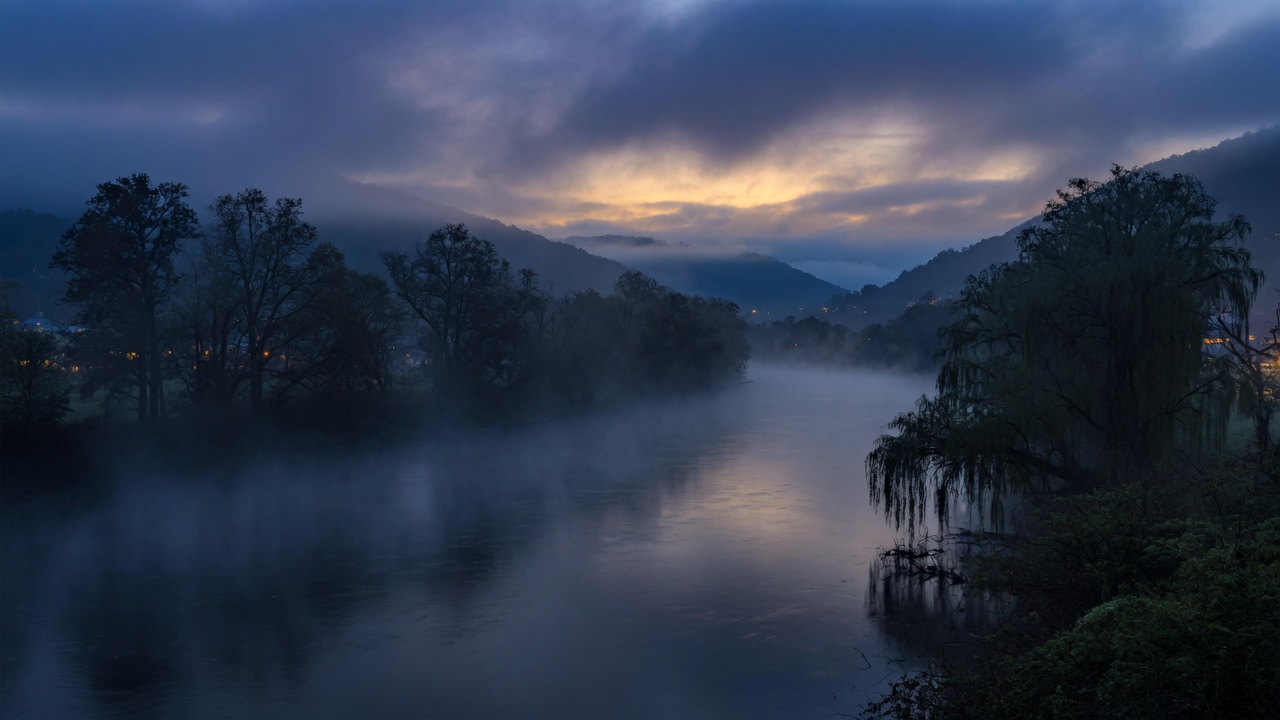
Deep bends, foggy backwaters, and quiet stretches where the current slows and the trees lean in. Dawn and dusk are classic “maybe” hours.
The living legend
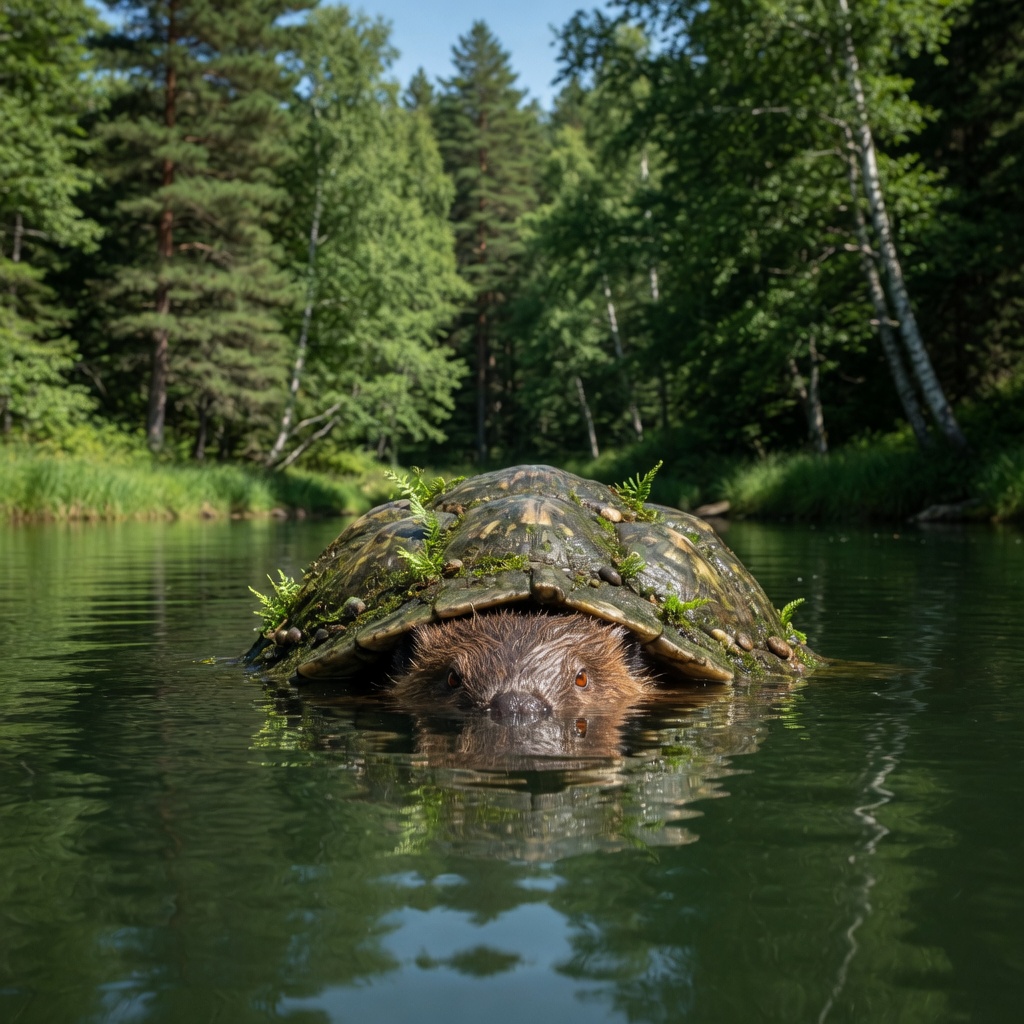
Kitchi-Amik is Western Pennsylvania’s river guardian—a folkloric blend of colossal beaver and ancient snapping turtle, cherished more than feared.

In the storytelling tradition of this valley, Kitchi-Amik is often glossed as “Great Beaver”—a nod to Algonquian roots for amik (beaver) and a “great” intensifier that storytellers love. Locals sometimes also call it the Shenango Snapper, the River Elder, or simply the Guardian.
Descriptions agree on a few stubborn details: a ridged carapace like river stone, a broad flat tail that can slap the current into foam, webbed tracks wider than a dinner plate, and eyes the color of banked sunset—intelligent, unhurried, and hard to forget.
“It is not a beast you hunt. It is a presence you notice when the river decides you should.” — Attributed to “Aunt” Mabel Doran, Clark porch stories, c. 1920s
Folklore field notes, compiled for visitors.
Deep bends, foggy backwaters, and quiet stretches where the current slows and the trees lean in. Dawn and dusk are classic “maybe” hours.
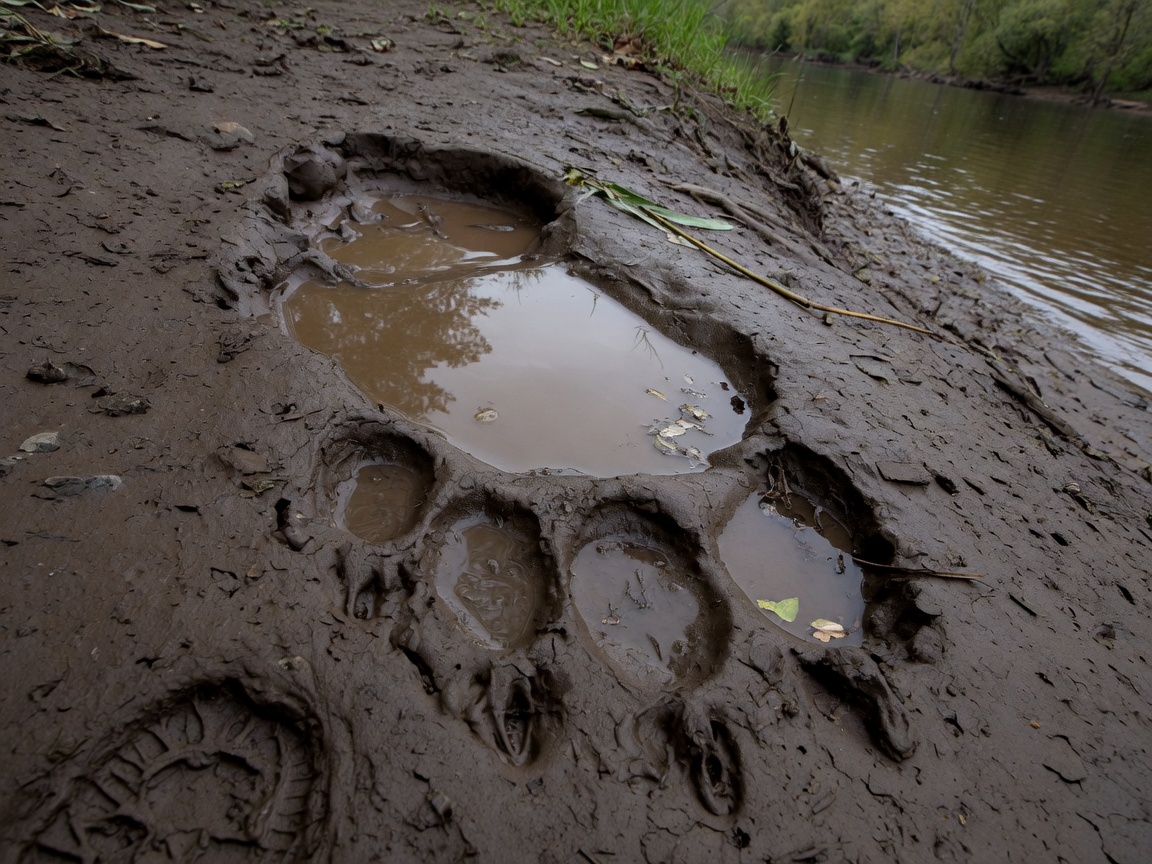
Over-wide webbed prints, trees gnawed past beaver scale, wakes that travel upstream, and a low rumble some swear is not thunder.

Shy. Territorial about clean water and quiet banks. Mischief is rare; warnings are rarer. Most tales end with awe, not injury.
Every river town needs a story big enough to match its fog. For Clark and the Shenango Valley, Kitchi-Amik fills that role the way the Hodag does for Rhinelander: a creature that turns ordinary shoreline into stage set, that gives kids a reason to peer over bridges, and that gives adults a wink when the water does something odd.
The legend is also a gentle conservation sermon. In story after story, the Guardian appears when the river is respected—and withdraws when banks are trashed or fish are taken carelessly. Whether you believe in amber eyes or only in good stewardship, the moral travels well.
For the long paper trail of “documented” encounters, open the Chronicle. For places to walk the myth yourself, see Visit.
Treat Kitchi-Amik as celebrated fiction with local soul—not as a claim about living Indigenous religion or a wildlife fact. Many place-names and language fragments in Pennsylvania carry real histories; this site uses them lightly and inventively for entertainment.
When you share photos of “tracks” or foggy wakes, label the fun. When you visit access points, stay on public land. When something truly unusual happens on the river, tell the story—and then help keep the Shenango beautiful enough that the legend still fits.
Canal diggers, trappers, a disputed photograph, and a century of porch reports.